
Introduction
The year is 2026. Your organization is powered by AI, from automated code generation to predictive analytics that anticipate customer desires. Yet, in this "synthetic enterprise," the human element, your team's creativity and unwavering trust, remains more critical than ever. How do you lead effectively when algorithms drive incredible efficiency, but genuine human connection defines your culture and ultimately, your success?
For leaders in AI-native SaaS businesses, a core challenge emerges: navigating the paradox of extreme machine efficiency alongside the fragile trust of the human workforce. This demands a fundamental reshaping of leadership itself. It means expertly managing the dual reality of high-speed automated workflows and the enduring need to cultivate human empathy, refine judgment, and spark creativity within a technology-driven environment.
This post explores how successful 2026 leaders must navigate 'vibecoding' velocity and automated processes with the imperative to protect the 'human core'—empathy, judgment, and creativity—within this technology-driven landscape. For SaaS companies, especially those deeply invested in customer experience like in fashion retail, where innovation and team cohesion are vital for personalization, this balance is foundational for sustained growth and market leadership.
Embracing AI Velocity While Managing its Liabilities

The Power of Vibecoding for Rapid Innovation
'Vibecoding' is revolutionizing how we approach innovation in SaaS. Imagine a world where AI swiftly generates and refines code, allowing teams to prototype new features, iterate on user interfaces, or develop bespoke micro-services with incredible agility. This velocity shortens development cycles, bringing groundbreaking products to market faster and fostering a culture of continuous adaptation.
New Liabilities: The Unseen Costs of AI Acceleration
Despite the undeniable speed, 'vibecoding' isn't without its shadows. A significant challenge is the accumulation of 'trust debt' when AI-generated logic becomes opaque. This necessitates ongoing human refactoring, rigorous testing, and clear ownership to ensure AI outputs align with ethical guidelines and product integrity.
The Human-AI Trust Equation
Algorithmic Management and the Sincerity Paradox
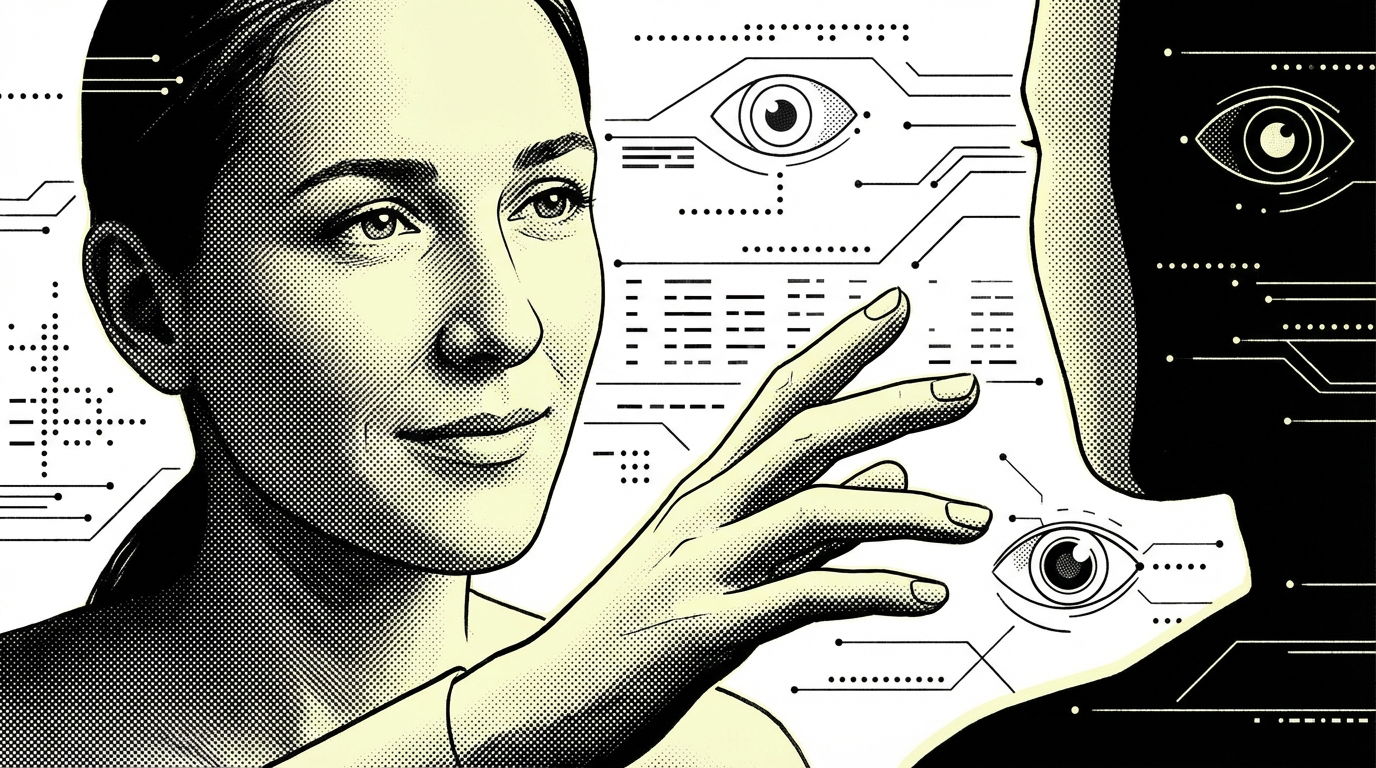
In the AI-native workplace, automated performance reviews and AI-powered OKR management systems introduce a 'sincerity paradox.' While AI streamlines communication, it can erode perceived sincerity and trust. For SaaS companies, where collaboration and psychological safety are vital, this erosion of trust can damage morale and productivity.
Decoding Tasks vs. Decoding Empathy
AI excels at 'decoding tasks' and optimizing workflows. However, human managers must 'decode empathy.' This involves understanding unspoken needs and fostering psychological safety. In SaaS, high-performing teams thrive on deep collaboration that algorithms simply cannot replicate.
Protecting the Human Core (EPOCH Framework)

Irreplaceable Skills: The EPOCH Framework
MIT Sloan's EPOCH framework identifies uniquely human capabilities that remain essential for leadership:
- Empathy: Understanding and sharing feelings for better customer success.
- Presence: Being fully engaged for effective real-time problem-solving.
- Opinion/Judgment: Nuanced decision-making based on experience and ethics.
- Creativity: The drive to innovate and generate truly novel solutions.
- Hope: The power to inspire optimism and resilience through uncertainty.
Building Robust Governance for the Synthetic Enterprise
Effective AI integration demands a deliberate strategic roadmap. Haphazard adoption leads to fragmentation and risk. SaaS companies must prioritize:
- Strategic Alignment: Integrating AI into the core business strategy.
- Dedicated Leadership: Appointing roles like a Chief AI Officer (CAIO).
- Transparency & Consent: Earning social capital through clear data policies and human-in-the-loop oversight.
Key Takeaways
- Balanced Leadership: Match AI efficiency with human trust and well-being.
- Cultivate EPOCH Skills: Focus on Empathy, Presence, Opinion, Creativity, and Hope.
- Robust Governance: Use frameworks that prioritize human values alongside technical prowess.
Call to Action
Are you genuinely leading by example in 'decoding empathy' within your teams? Consider refining an AI governance framework that explicitly prioritizes human values and employee trust.


